How Heat Affects Your Ear Health and Comfort
Anyone who has spent an afternoon at Moonlight Beach in Encinitas during a
By: admin | December 21, 2025
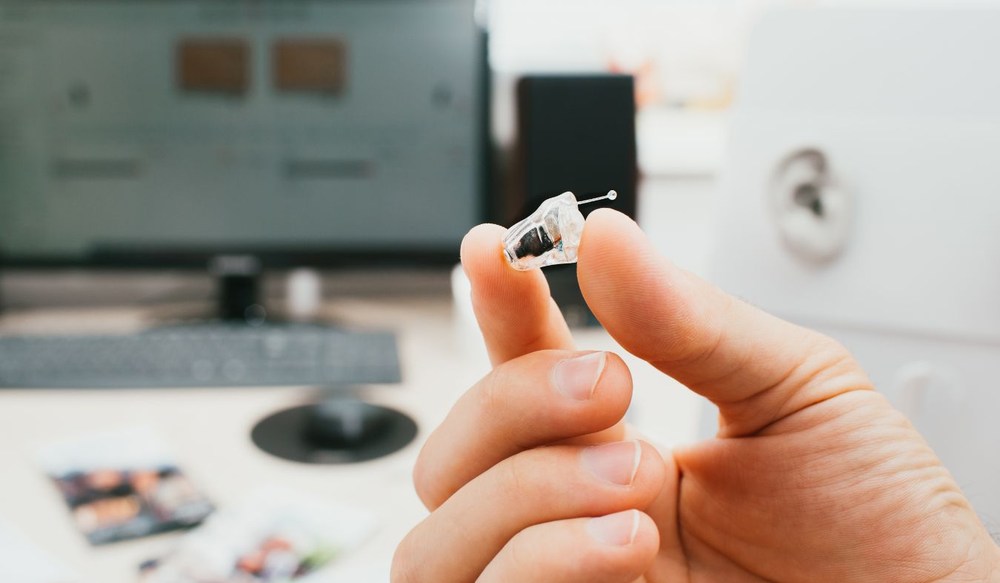
Hearing aid technology has come a long way in the past few years, and 2025 brings some of the most practical improvements yet.
If you’ve been using hearing aids for a while or you’re just starting to consider them, the latest models are designed to address the frustrations people have been dealing with for years.
They’re smaller, smarter and better at adjusting to the different listening situations you move through during a typical day. The focus this year is on making hearing aids work more like a natural extension of how you hear, rather than something you have to think about all the time.
What stands out about the innovations in 2025 is how much easier they make everyday life. If you’ve felt held back by older technology or hesitant about trying hearing aids at all, the options available now make it worth taking another look.
Hearing aid technology has come a long way from its earliest beginnings. The first devices were simple acoustic tools that relied on cupped hands, ear trumpets or large horn shaped instruments to funnel sound into the ear.
These options offered very limited help, and people often struggled to carry or use them comfortably. There were no microphone systems or ways to adjust sound, so everything was amplified at the same level, whether it was speech or background noise.
As electricity became more widely used, hearing aids shifted to battery powered designs. Early electrical models were bulky and required external components that people wore on their bodies.
Even so, they offered a major step forward because they could boost sound more effectively than acoustic tools. Over time, components became smaller, allowing devices to sit behind or inside the ear instead of being worn on the chest or carried in a pocket.
The introduction of digital processing in the late twentieth century changed hearing aids in meaningful ways. Digital circuits allowed sound to be shaped and refined instead of simply amplified.
Devices also became more comfortable as materials improved and designs grew more discreet. Rechargeable batteries, wireless features and more precise sound processing made everyday listening easier and more natural.
Modern hearing aids continue to build on these advancements with improved clarity, better comfort and more flexible sound processing.
Several trends are shaping hearing aids in 2025, making them more useful in everyday life. Many new models use artificial intelligence to help separate speech from background noise, which can make conversations easier to follow and less tiring.
Bluetooth connectivity is now standard in many devices, allowing you to stream calls or music directly from your phone or TV. These updates are designed for comfort and ease of use, helping you feel more at ease in different situations.
Choosing the right hearing aid technology depends on your daily routine and where you spend most of your time. Your lifestyle can affect which features are most helpful for you.
For example, people who spend time in busy or social settings may benefit from advanced noise reduction and directional microphones. Those who prefer quieter environments might not need as many high-tech options.
Rechargeable batteries work well for active wearers who do not want to change batteries often, while some may still prefer traditional battery models for longer trips without access to charging.
Bluetooth streaming is useful if you enjoy connecting to phones or TVs but does use more battery power. Some advanced features add cost and may require more time to learn, so weighing the pros and cons helps match technology with your needs.
Artificial intelligence is changing how hearing aids process sound and respond to everyday situations. Instead of treating every environment the same way, modern systems can study the sounds around you and make quick adjustments that match what you need in the moment.
This helps voices stand out more clearly while keeping sudden or distracting sounds under control. The experience feels more natural because the device is responding to the way you actually listen rather than relying on one fixed setting.
AI also helps your hearing aids learn from your patterns. If you often prefer a certain sound level in crowded places or a different balance during quiet conversations, the system can recognize those preferences over time.
This creates a smoother listening experience without constant manual changes. The goal is not to overwhelm you with features but to give you support that feels intuitive and comfortable.
These improvements reflect a shift toward technology that adapts to real life rather than forcing you to adjust to the device.
As AI continues to evolve, hearing aids will become even more responsive, offering clearer sound and easier communication in a wide range of situations.
A key improvement in modern hearing aids is their ability to help you hear speech in noisy environments. Advanced microphones and digital noise reduction work together to pick up voices and lower background sounds.
Some devices can even focus on the person speaking directly in front of you, making it easier to follow conversations at restaurants, family gatherings or busy stores. These features often work automatically, so you do not have to make frequent adjustments as your surroundings change.
With these advancements, hearing clearly in loud environments is now much more achievable. You can feel confident knowing that today’s hearing aids are designed to help you stay connected wherever you are.
Noise reduction and directional microphones have greatly improved how hearing aids perform in busy places. These features help separate speech from unwanted sounds, allowing you to focus on the voices that matter most.
Directional microphones pick up sound mainly from the front and reduce noise from behind or the sides, making it easier to follow conversations in restaurants, meetings or crowded areas.
Many hearing aids now combine these microphones with digital noise reduction for even better results. Some models also adjust settings automatically as your environment changes, giving you a smoother listening experience without extra effort.
Related improvements like wind noise management and feedback cancellation help keep sound clear and comfortable throughout your day.
Rechargeable batteries have become a common feature in many hearing aids. These batteries are designed to last all day on a single charge, making daily use much simpler.
You no longer need to worry about buying or changing small disposable batteries as often. Most rechargeable hearing aids come with easy-to-use charging docks—just place your device in the charger overnight and wake up to a full battery each morning.
This technology is especially helpful if handling tiny batteries is difficult or if you want a more reliable power source. With longer-lasting power, your hearing aids can keep working through busy days, travel or special events without interruption.
Bluetooth features in hearing aids make it easy to stream phone calls, music or TV audio directly to your ears. This technology also connects with smartphone apps, giving you simple ways to adjust volume or switch programs without touching your hearing aids.
Wireless accessories like remote microphones and TV streamers often use Bluetooth as well, making it easier to hear in group settings or while watching television.
To get the most out of Bluetooth features, keep your device’s software updated and make sure your phone or tablet is compatible with your hearing aids.
Try pairing your hearing aids with different devices at home so you feel comfortable using the streaming options when needed. Using a smartphone app can help you quickly change settings for different places, like turning up the volume at a restaurant or switching to a quieter mode at home. Bluetooth streaming may use more battery power, so charging your devices regularly will help keep everything working smoothly throughout the day.
Automatic changes for different listening environments are now standard in many modern hearing aids.
These devices can sense where you are, like a quiet room, a busy street or a crowded restaurant, and adjust their settings without any action needed from you. Your hearing aids can switch between programs for speech, music or background noise on their own.
With this technology, there is no need to make manual adjustments every time your surroundings change. Built-in sensors and smart software make real-time changes that match the sounds around you.
This automatic adjustment helps keep listening comfortable and clear throughout your day. You can feel more at ease in different situations knowing your hearing aids adapt as quickly as life does.
Some new hearing aids do more than just help you hear better. Many devices now include sensors that count your steps, monitor activity levels and even check your heart rate. This allows you to keep an eye on some aspects of your health without needing extra gadgets.
A few models offer features like fall detection, which can alert someone if you take a hard fall. Some hearing aids also remind you to move if you have been sitting for too long. These tools are designed to support overall wellness as part of daily life.
Health tracking in hearing aids is still developing, and more features may be added over time. Staying updated on these changes helps you see how hearing aids can fit into a healthy lifestyle.
Fall detection and safety alerts are now available in some of the latest hearing aids. Built-in sensors notice sudden movements or falls and can send a message to a family member or caregiver if help might be needed.
If you are concerned about staying safe when alone, especially after previous falls, hearing aids with fall detection can offer reassurance by sending automatic alerts. This provides added peace of mind for both you and your loved ones.
Wellness monitoring tools are now built into many modern hearing aids, helping you keep track of more than just your hearing. These features can include step counters, heart rate sensors and reminders to move if you have been sitting for a long time.
Some devices even offer gentle alerts about changes in your daily activity or possible signs of health concerns. By combining these wellness tools with hearing support, today’s devices aim to help you stay healthy and active in everyday life.
With so many options available, choosing the best hearing aid features can feel overwhelming. Each person’s needs are unique, so it helps to focus on what will make your daily life easier and more comfortable.
Start by thinking about where you spend most of your time and what situations are hardest for you to hear in. To help narrow down your choices, consider these tips:
When meeting with an audiologist, bring a list of situations where hearing is most difficult for you. This helps your specialist suggest new features or devices that fit your daily needs.
Ask questions about any new technology you have heard about, like rechargeable batteries or Bluetooth streaming. Mention if you are interested in health tracking or automatic adjustments so your audiologist can explain which models include these options.
Be open about your comfort level with using smartphones or making changes to device settings. Sharing your preferences allows your audiologist to recommend solutions that match your routine and make using your hearing aids easier.
Hearing aid technology in 2025 offers more ways than ever to help you stay connected and comfortable each day. With features like artificial intelligence, Bluetooth streaming, rechargeable batteries and wellness tracking, there are many choices that can match your needs and lifestyle.
Learning about these new options is an important step toward finding a device that works well for you, and the team at Professional Hearing Associates is ready to help you do just that.
If you would like guidance on which hearing aid innovations may be right for your situation or if you are considering an upgrade, our team is available to answer questions and discuss the latest technology. You can reach us at any of our convenient locations, including Escondido, CA: (858) 357-9881, Oceanside, CA: (442) 277-2283 or Poway, CA: (858) 397-7497
Tags: faqs, hearing aid repair, hearing aid styles

Anyone who has spent an afternoon at Moonlight Beach in Encinitas during a
By: admin | September 21, 2026

Southern California doesn’t exactly have a shortage of things to do
By: admin | April 22, 2026

Winter has a way of slowing things down and giving you a chance to take
By: admin | February 20, 2026