Southern California doesn’t exactly have a shortage of things to do outside. Between the street fairs in Escondido and the summer concerts along the Oceanside, there’s almost always something worth showing up for.
And most of the time, you’re probably not thinking about your hearing when you’re there. You’re thinking about where to park, whether you remembered sunscreen and what you want to eat first.

But loud environments have a way of doing quiet damage while you’re busy enjoying yourself. A few hours near a live band, an afternoon wandering a festival with speakers on every corner or an evening at an outdoor venue adds up faster than most people realize.

The good news is that protecting your hearing doesn’t mean skipping the things you enjoy. It mostly just means knowing what you’re working with before you walk through the gate.

Protecting Your Hearing at North County Festivals

Attending a street fair or an outdoor concert is a great way to spend an afternoon in North County, but the front row often comes with a hidden cost to your physical well-being.

Inside your ears, tiny hair cells pick up vibrations and send them to your brain so you can understand speech and music. These delicate cells are not like skin or bone; once they are damaged by high volumes, they do not grow back or repair themselves.

Exposure to extreme noise can cause these cells to stop working effectively, which often shows up as a dull, muffled feeling or a ringing sensation after the event ends. Festivals and fairs are full of different sounds that vary in intensity depending on where you stand:

  • Live Rock Bands: 110-120 decibels (dB)
  • Fireworks Displays: 140-150 dB
  • Generators and Rides: 90-100 dB
  • Cheering Crowds: 85-95 dB
  • Food Court Chatter: 70-80 dB

Choosing the Right Ear Protection for Local Events

Taking a pair of earplugs to a street fair or an outdoor show is one of the most effective ways to keep your hearing safe. Having your ear protection ready before the headliner starts can ensure you aren’t caught off guard by a sudden spike in volume.

Beyond just preventing that common post-concert ringing, wearing protection makes the entire day more comfortable by reducing the physical strain on your ears.

There are several different styles of ear protection available, depending on your personal comfort and how much noise you expect to encounter:

  • Foam Earplugs: These are soft, disposable and very affordable options that expand to fit your ear canal and block out a significant amount of noise.
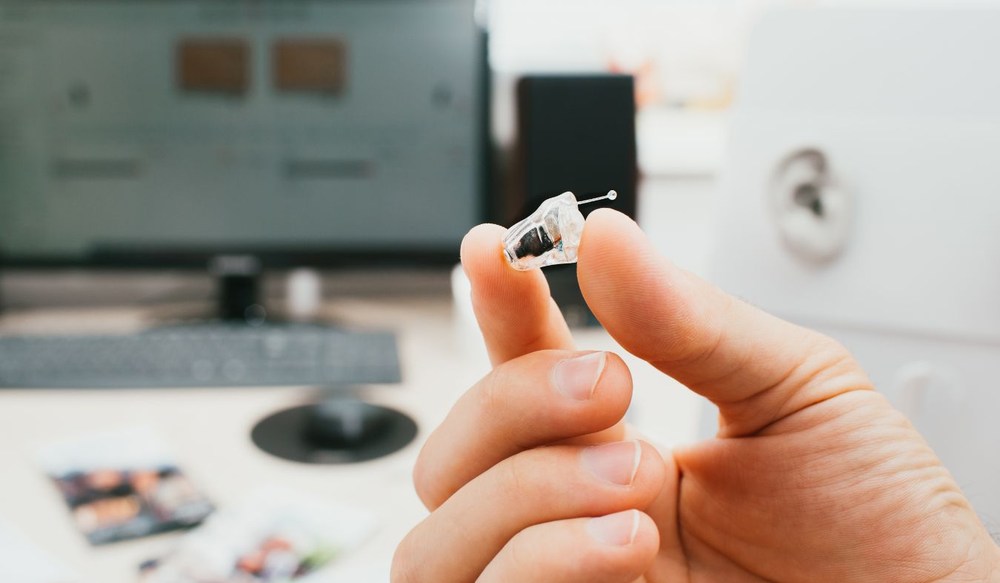
  • High-Fidelity Earplugs: These reusable plugs use special filters to lower the volume without distorting the music, making them perfect for concert-goers.
  • Silicone Earplugs: A washable and durable choice that often comes with different tip sizes to ensure a snug, comfortable seal.
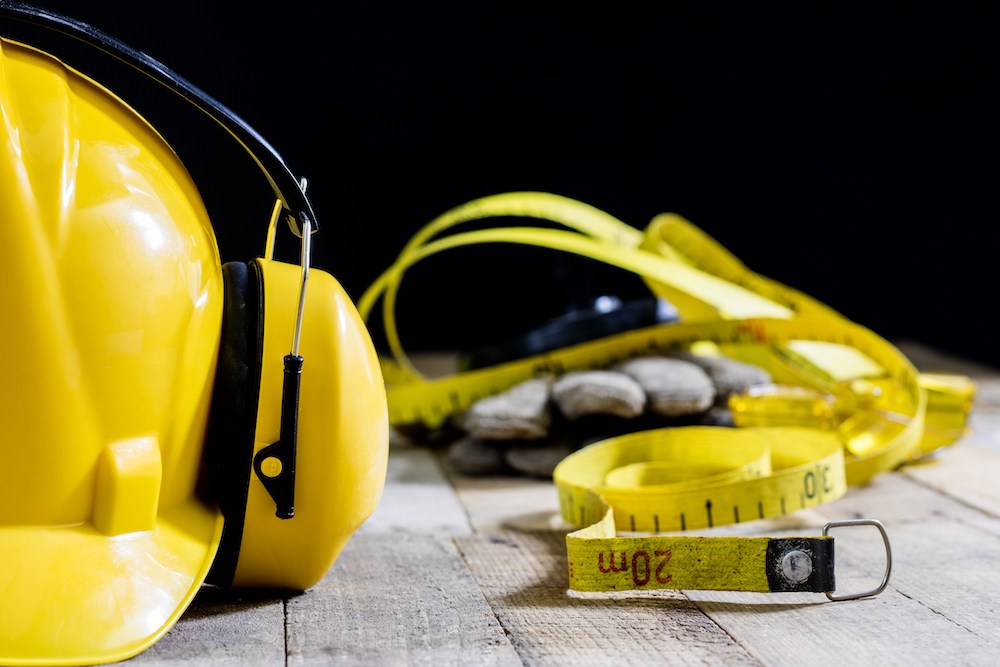
  • Earmuffs: These sit over the entire ear and offer high levels of protection, which can be a great choice for children or those who dislike putting items inside their ears.

Ensuring a Proper Seal for Maximum Protection

Getting the most out of your earplugs requires more than just pushing them into your ears. If a foam plug is simply pressed against the opening of the canal, it won’t block enough sound to be effective and you might as well not be wearing them at all.

To get a proper fit, start by rolling the plug between your thumb and fingers until it is a very thin, tight cylinder. While the plug is compressed, reach over your head with your opposite hand and gently pull the top of your ear up and back.

This straightens out your ear canal and creates a clear path for the plug to slide in deep enough to do its job.

Once the earplug is inside, hold it in place with your fingertip for about thirty seconds while it expands to fill the shape of your ear.

You will know you have a good seal when your own voice sounds deeper, and the background noise of the crowd suddenly drops away. If the plug feels like it is falling out or if the volume doesn’t seem to change, pull it out and try the rolling process again.

Finding the Best Spot for Your Ears

Choosing where to stand at a concert or festival is about more than just your view of the stage. The physical pressure of sound waves is strongest right at the source, and standing directly in front of a speaker stack puts an immense amount of stress on your hearing.

Sound intensity follows a specific rule where the volume drops off significantly as you increase your distance from the speakers.

Finding a safer spot doesn’t mean you have to miss out on the energy of the crowd. Moving toward the back or finding a location off to the side can cut your noise exposure by half while still giving you a great experience.

When you are scouting for a place to settle in, look for areas where you can still hear the music clearly without feeling the vibrations thumping in your chest.

Recognizing Your Body’s Response to Loud Noise

Your ears often give you a physical heads-up when the environment is getting to be a bit much.

One of the easiest ways to tell if the volume is hitting a risky level is the “shout test.” If you have to raise your voice or lean in close just to be heard by someone standing right next to you, the sound is likely loud enough to cause some wear and tear.

You might also notice a heavy, pressurized feeling in your ears, almost like the air has become thick. This isn’t just a side effect of the party; it is a sign that your hearing is being overworked and needs a breather.

The real test usually happens the next morning when things are quiet. If you wake up and the world sounds like it’s tucked behind a thick curtain, or if there is a persistent ringing that wasn’t there before, your ears are essentially bruised.

This “muffled” sensation is a clear signal that the internal parts of your ear have been pushed to their limit.

The best thing you can do at that point is give yourself a quiet day – skip the headphones and avoid noisy chores. If that fuzzy feeling doesn’t clear up after 24 hours of rest, it is worth being aware of that change and getting a professional opinion.

The Importance of Quiet Breaks

Stepping away from the main stage for a while does more than just rest your feet; it gives your hearing a chance to reset. Think of your ears as being under a constant heavy load during a long show.

When you stay in a high-volume area for three or four hours straight, the internal parts of your ear remain under stress without a single moment to recover. Finding a spot away from the noise for 15-20 minutes allows that tension to ease.

It is a simple way to break up the total time you spend in a loud environment, which helps prevent the fatigue that leads to lasting damage.

Seeking out these pockets of calm is usually easy once you look past the main attractions. Most large events have areas furthest from the speakers, like the back of a food court or a shaded rest station, where the sound levels drop significantly.

You can use these moments to grab a drink and talk to friends without having to yell over the music. This habit helps you leave the event feeling refreshed rather than drained by a wall of sound.

Tracking Noise with Your Phone

Relying on your gut feeling to judge volume can be difficult, especially when you are caught up in the excitement of a local event. Fortunately, modern technology has made it much easier to get an objective look at the noise levels around you.

By downloading a simple decibel meter app, you can turn your smartphone into a tool that provides real-time data on the intensity of the sound.

This takes the guesswork out of your afternoon, letting you know exactly when the environment has crossed from a comfortable level into a range that might require earplugs or a change in location.

There are several highly rated apps available that can help you monitor the sound at your next outing:

  • NIOSH Sound Level Meter: A professional-grade tool developed by hearing experts that provides highly accurate readings for iOS users.
  • Decibel X: A popular choice for both Android and iPhone that offers a clear, calibrated display of noise levels and peak volumes.
  • Sound Meter: A straightforward app for Android users that uses a simple gauge to show environmental noise in decibels.
  • SPL Meter: This tool mimics a traditional sound pressure meter and is perfect for those who want a more technical view of the audio around them.

Keeping Your Hearing Safe for Future Events

Loud events are going to keep happening, and you’re going to keep going to them. That’s not a problem. The issue is walking in without a plan and walking out with ringing ears that take two days to settle down.

If you’re not sure where to start, or if you’ve already noticed some changes in your hearing after loud events, we’re here to help. Professional Hearing Associates has three hearing clinics across the area to make it easy to get in and get answers.

You can reach our Escondido office at (858) 357-9881, our Oceanside location at (442) 277-2283 or our Poway practice at (858) 397-7497.