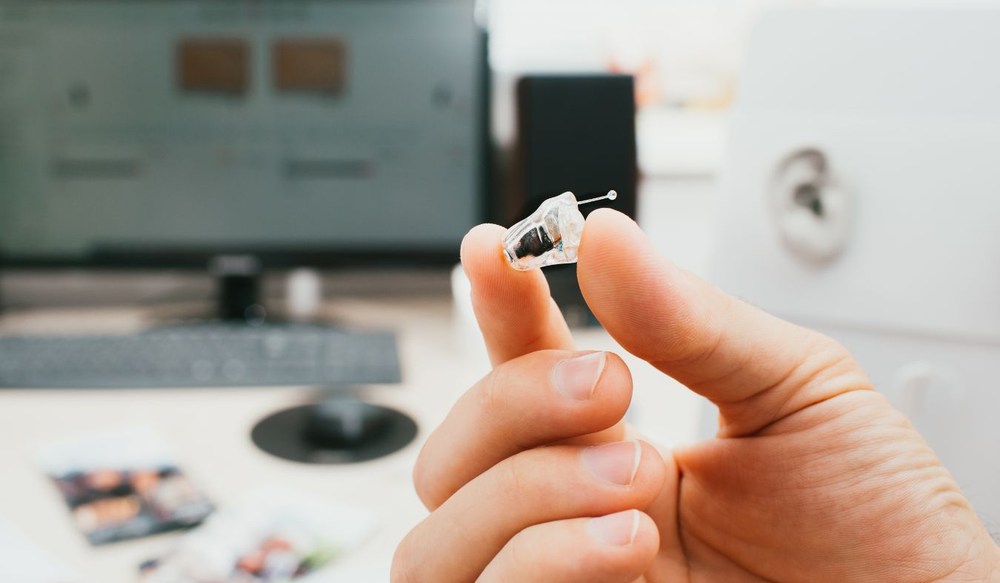
Winter has a way of slowing things down and giving you a chance to take stock of things you’ve been putting off. You’re spending more time indoors anyway, and your schedule isn’t packed with outdoor activities, weekend trips or all the running around that comes with warmer weather. It’s a natural time to check in on your health, and that includes your hearing.
If you’ve been noticing small changes, like turning up the volume more than you used to or feeling like people aren’t speaking as clearly as they once did, winter gives you the space to actually do something about it without feeling rushed or squeezed between other commitments.

There’s also something about spending more time in close quarters with people that makes hearing issues harder to ignore. When you’re sitting across the table from someone or having a conversation in the living room, there’s nowhere to hide if you’re struggling to follow along.

You notice it more, and so does everyone else. Getting your hearing checked now means you’re not spending the next few months asking people to repeat themselves or feeling left out of conversations that should be easy to follow.

You’re taking care of something that affects your daily life in a real way, and you’re doing it at a time when you actually have the breathing room to focus on it.

How Dry Winter Air Affects Your Ears

Cold, dry winter air does more than dry out your skin. It can also dry out the skin inside your ears. When that happens, the ear canal can feel tight, itchy, or irritated in a way that is hard to ignore, especially if the dryness sits deeper in the ear.

Dry air also changes how your ears produce and manage wax, which usually acts as a natural barrier. When the air is stripped of moisture, the wax can become hard or brittle, leaving the skin underneath exposed and more vulnerable to the elements.

This often leads to a cycle of irritation or a raw feeling that makes the winter months particularly uncomfortable for your ears.

Seasonal Changes That Affect Your Hearing

Seasonal shifts bring a specific set of challenges for your ears that go beyond just feeling the chill. Cold air and biting winds can cause the blood vessels in the ear canal to constrict, which sometimes leads to a dull ache or sharp discomfort.

This environment also tends to dry out the skin inside the ear, making the fit of your hearing aids feel itchy or slightly off.

The increase in sinus pressure during the winter months often complicates how you process sound. Fluid can build up behind the eardrum when you have a cold or a respiratory infection, creating a muffled sensation that mimics hearing loss.

You can help manage these risks by staying on top of your immune health and protecting your ears from direct exposure to freezing gusts.

Why Cold Weather May Make Hearing Loss More Noticeable

You might notice that hearing loss stands out more once the temperature drops because cold air is actually denser than warm air. This density changes how sound waves travel, often making noises seem sharper or more distorted as they move through the atmosphere.

On top of that, winter gear like thick beanies or scarves act as physical filters. These layers specifically soak up high-frequency sounds, which are the exact tones you need to distinguish a “th” from an “s” or a “p” from a “b” during a conversation.

The mechanical side of your environment shifts during these months as well. Indoor heating units frequently kick on and create a constant, low-frequency hum that masks the more delicate sounds of human speech.

When you combine that background drone with the way sound echoes off hard holiday decor or bare winter windows, your brain has to work double time to decode what people are saying.

Even the devices themselves react to the season. Rapid shifts from the freezing outdoors to a warm room can cause tiny amounts of condensation to form inside the tubing, which might make your audio sound muffled or intermittent until the hardware dries out.

The Effects of Winter Illnesses on Ear Health

Colds, sinus infections and seasonal illnesses are more common during the winter months, and they can affect more than just your nose or throat. These illnesses often impact the ears as well, sometimes causing temporary changes in hearing or comfort that catch people by surprise.

Winter illnesses can affect ear health in several ways:

  • Fluid buildup in the middle ear: Congestion and inflammation can prevent fluid from draining properly, leading to pressure or muffled hearing.
  • Increased ear pressure or fullness: Swelling in the nasal passages and sinuses can affect how pressure equalizes in the ears.
  • Temporary hearing changes: Blocked pathways or fluid can make sounds seem dull or distant.
  • Ear discomfort or pain: Infection-related inflammation can cause aching or sharp sensations in one or both ears.

Indoor Gatherings and Communication Challenges

Indoor gatherings often create a perfect storm for communication struggles because of how sound behaves in enclosed spaces.

Hard surfaces like wooden floors, large windows and high ceilings cause voices to bounce around, creating a layer of background echo. This “reverberation” makes it difficult to distinguish individual words, especially when multiple people are talking at once or music is playing in the background.

You might find yourself leaning in closer or straining to read lips just to keep up with a single conversation. This extra effort often leads to “listening fatigue,” where your brain feels exhausted from trying to filter out the noise.

Hearing aids can help, but they have to work much harder in these settings to prioritize the person in front of you over the general clatter of the room.

Signs of Hearing Loss During the Winter

Winter can make hearing difficulties more noticeable, especially as cold weather, indoor noise and seasonal changes affect how sound travels. For some people, this is the time when early signs of hearing loss become harder to ignore or feel more disruptive than usual.

Some common signs of hearing loss that may stand out during the winter months include:

  • Difficulty following conversations in noisy indoor spaces: Background noise from heaters, crowded rooms or gatherings can make speech harder to understand.
  • Sounds seem muffled or unclear: Voices may lack sharpness, especially when people are speaking softly or facing away.
  • Frequently asking others to repeat themselves: Conversations may require more effort, particularly in group settings.
  • Turning up the volume on televisions or devices: You may need higher volumes than others to hear comfortably.

How to Prepare for a Winter Hearing Health Checkup

Preparing for a winter hearing health checkup is straightforward and helps you get the most from your visit. Dress warmly but choose clothing that is easy to remove around your ears so the audiologist can examine your ears or adjust your hearing aids as needed. If you use hearing aids, bring them along with any batteries or accessories you use.

Write down any changes you have noticed in your hearing over the past few months, like difficulty hearing in noisy rooms or feeling like your ears are blocked more often. Sharing this information helps your specialist understand your needs and answer any questions.

Let the audiologist know if you have had any colds, sinus infections or ear discomfort recently, since these are common during winter and can affect your hearing. Bringing a list of medications is also helpful because some medicines may have side effects that impact your ears.

What to Expect During a Winter Hearing Appointment

A winter hearing appointment is a great time to tackle any seasonal issues you’ve noticed, like the way cold air affects your ears or how hard it is to hear in crowded indoor spaces.

Your audiologist can check for things like moisture buildup or dry skin in the ear canal while ensuring your settings actually fit your day-to-day life.

Your visit will typically involve a few standard hearing tests to get a full picture of your ear health:

  • Pure-tone testing: You will wear headphones and listen to different pitches and volumes in a quiet room. This test finds the specific range of sounds you can hear and shows where you might need more help.
  • Speech audiometry: This part of the exam measures how well you understand words at different volumes. It is a big help in seeing how you handle conversations when there is a lot of noise in the background.
  • Tympanometry: This test uses a tiny bit of air pressure to see how well your eardrum moves. It helps find fluid or pressure changes in the middle ear, which often happen after a winter cold or a sinus infection.
  • Bone conduction testing: You will wear a small device behind your ear that sends vibrations directly to the inner ear. This helps determine if a hearing issue is coming from the outer or middle ear and if it involves the sensory cells of the inner ear.

Ear Protection Needs in Colder Months

Protecting your ears becomes even more important when temperatures drop. Cold air, wind and low temperatures can increase your risk of ear discomfort or infection.

Wearing hats, earmuffs or headbands keeps your ears warm and shields them from harsh weather. These items also help prevent moisture from getting trapped in the ear canal if snow or rain enters your ears.

If you use hearing aids, be mindful of condensation that can build up when moving between cold outdoor air and warm indoor spaces. Keeping your ears dry and protected supports both comfort and ear health during winter.

Taking the Next Step for Better Hearing This Winter

Winter is an ideal time to focus on your hearing health. Colder months can bring changes that highlight issues you may not have noticed before. Taking steps now helps you stay connected with loved ones and ensures you are ready for all the conversations that matter most this season.

If you have noticed changes in your hearing or want to ensure your ears are prepared for winter, the team at Professional Hearing Associates is here to help answer questions and support all of your hearing needs. For more information or to schedule a checkup, please contact us at any of our locations:

  • Escondido, CA: (858) 357-9881
  • Oceanside, CA: (442) 277-2283
  • Poway, CA: (858) 397-7497